
Volcanic eruptions can happen suddenly or build over time, releasing lava, ash, and toxic gases.
They can destroy property, disrupt roads and air travel, and pose serious health risks from ash and poor air quality.
AUW 211 connects Hawai‘i residents with evacuation updates, shelter locations, and recovery resources before, during, and after an eruption.

In immediate danger?
Dial 911 Now!
Need help now?
Call 211
Report Damage or Request Help
Get Started Below
Communities Impacted
Volcano hazards can affect communities miles away from the eruption site. The risk isn’t only from lava — ash, gas, and earthquakes often accompany volcanic activity.
Those most impacted include:
- Residents near active rift zones or lava flow paths, especially in East Hawai‘i Island (Puna, Ka‘ū, and surrounding areas)
- People with asthma, respiratory issues, or heart conditions, sensitive to volcanic gas (vog) and ash
- Farmers, outdoor workers, and first responders exposed to ashfall or air pollution
- Communities downwind from volcanic vents or gas plumes
- Residents without reliable transportation who may need help evacuating quickly
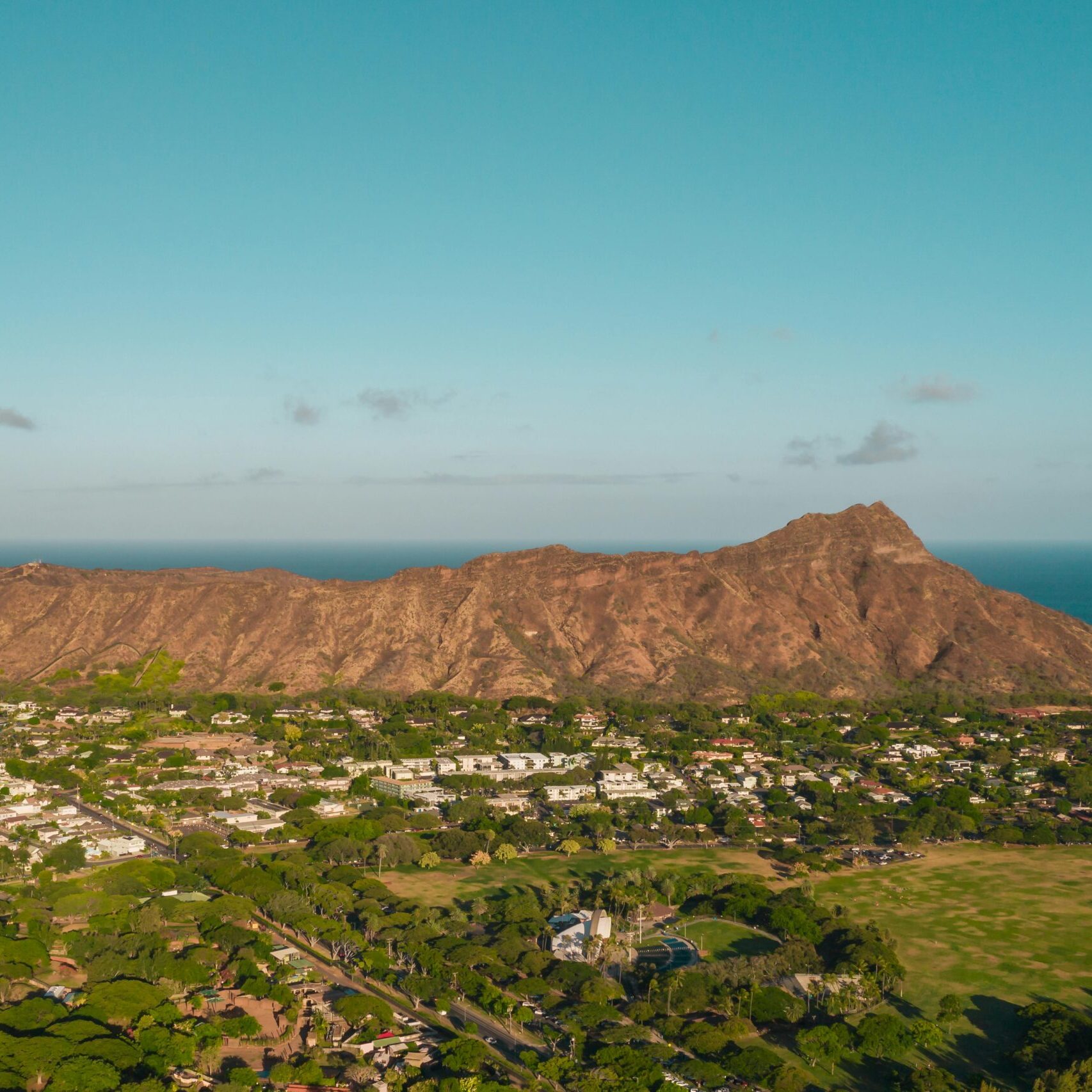
Where can I go?
If you are in immediate danger, call 911.
If you’re safe but need non-emergency help, call 211 for local resources.
Safe Locations include:
- Official County Civil Defense evacuation shelters
- Community centers or schools outside hazard zones
- Friends or family homes in unaffected areas
- Pet-friendly shelters, where available — confirm through your county’s emergency management office
If authorities issue an evacuation order, leave immediately for a designated shelter or safe zone outside the affected area.
What can I do to prepare?
Preparation saves lives. Secure your home and have a plan before a volcanic event happens.
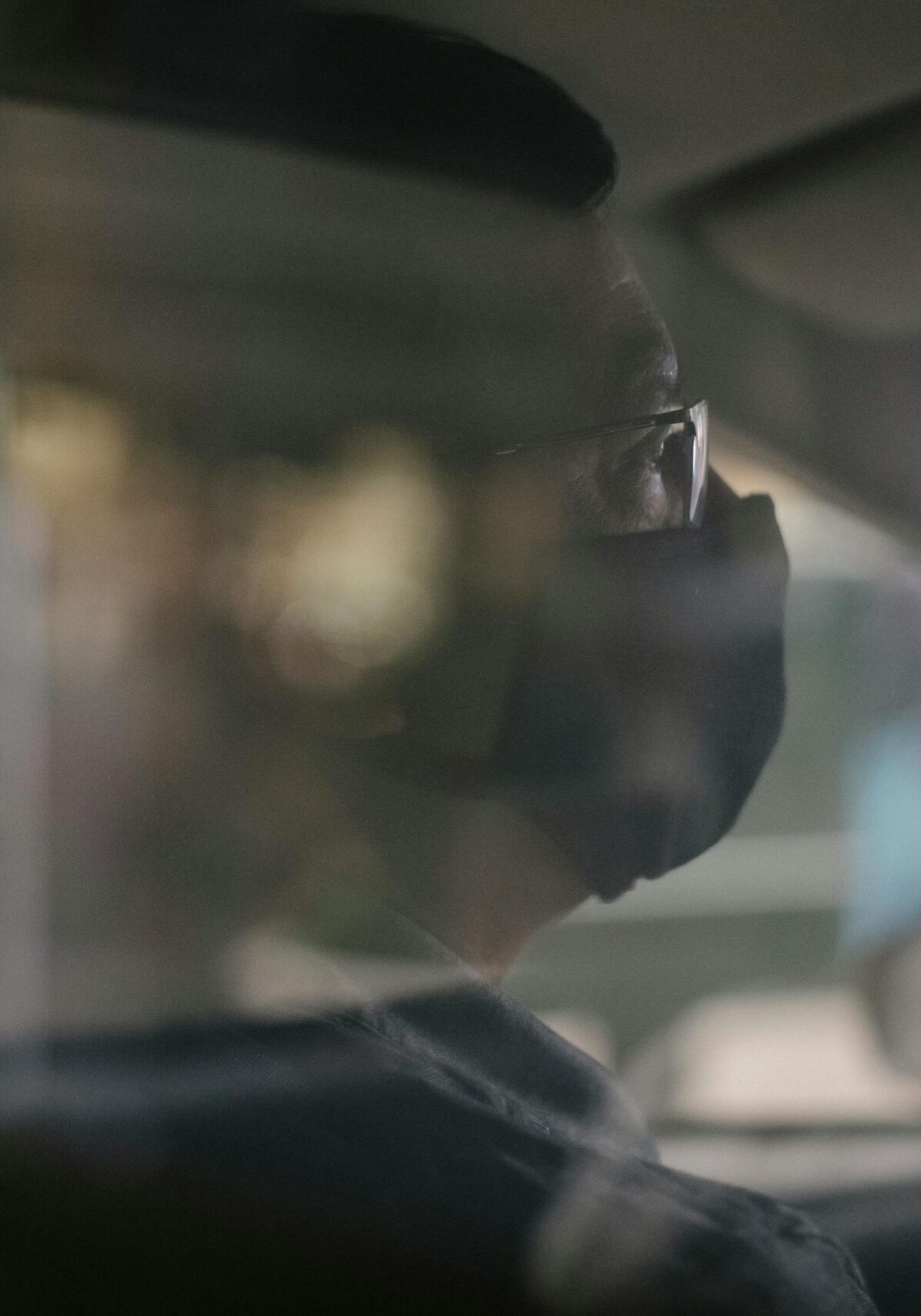
Preparation is key — volcanic hazards can last weeks or months.
- Keep a 14-day emergency supply kit (water, food, medications, flashlight, mask, goggles, radio)
- Know your evacuation routes and safe zones ahead of time
- Protect indoor air: close windows, seal gaps, and use air purifiers or damp cloths over vents
- Wear N95 masks or cloth coverings to reduce ash inhalation
- Keep your vehicle fueled and ready for evacuation
- Monitor updates from Hawaiian Volcano Observatory (USGS) and Hawai‘i County Civil Defense
- Prepare pets and livestock — know where they can go if you need to leave quickly
- Review your insurance policy for lava and volcanic damage coverage

What can AUW 211 provide?
Aloha United Way 211 connects you to trusted, local resources during and after a Volcanic Event:
-
Shelter and evacuation site information
-
Food, water, and emergency supply assistance
-
Crisis counseling and mental health support
-
Cleanup, repair, and disaster recovery programs
-
Financial assistance referrals for families affected by earthquake damage
-
Language support and accessibility services for non-English speakers and people with disabilities
Call 211 or search online for live help, 7 days a week.
How can I help my neighbor?
Volcanic events can isolate communities and strain resources — helping one another makes recovery faster and safer.
- Check on kupuna, families with young children, or those with health issues
- Offer rides or temporary shelter if it’s safe to do so
- Share accurate updates from official agencies — not social media rumors
- Donate to Aloha United Way’s Disaster Relief Fund or trusted local organizations
- Volunteer with Hawai‘i VOAD once authorities confirm it’s safe to assist
Quick Resources
Need help right now? These official resources can connect you with emergency alerts, shelters, and support in your area.
Dial 911 for life-threatening emergencies.
Dial 211 for non-emergency help and local resources.