
Flooding can happen suddenly after heavy rain, tropical storms, or dam breaks.
Even shallow or slow-moving water can be dangerous and cause serious damage to homes and roads.
AUW 211 connects Hawai‘i residents with real-time information, shelter locations, and recovery resources before, during, and after a flood.

In immediate danger?
Dial 911 Now!
Need help now?
Call 211
Report Damage or Request Help
Get Started Below
Communities Impacted
Floods can affect anyone in Hawai‘i, but certain people and areas face greater risk:
- Residents in floodplains, low-lying areas, near streams, rivers, or drainages
- Communities near steep terrain where runoff can surge quickly
- Homes built on fill, or without proper drainage or grading
- People with limited mobility, older adults, infants, people with chronic illness, non–English speakers
- Residents without transportation or access to evacuation resources
What can I do to prepare?
Preparation saves lives. Secure your home and have a plan before a flood happens.
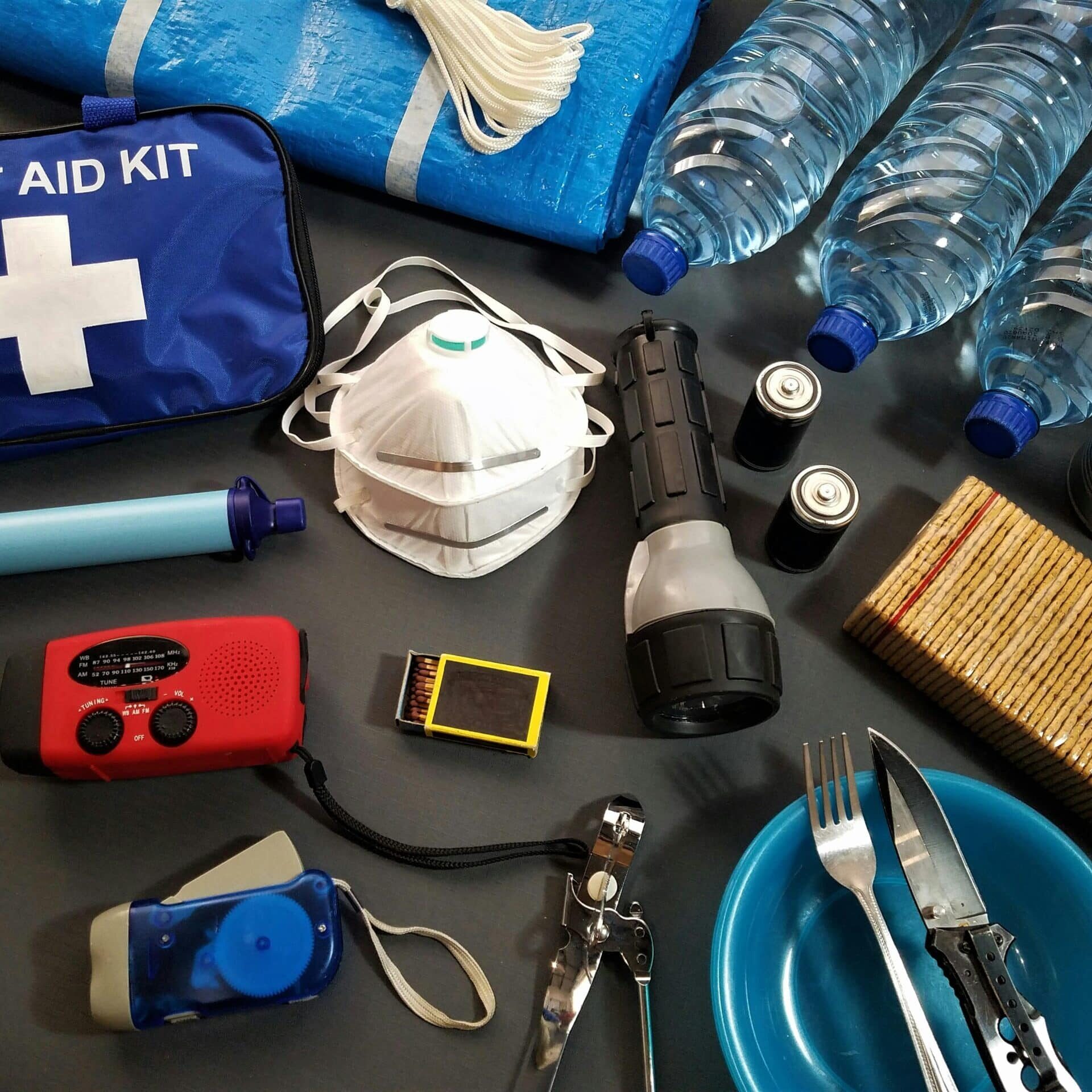
- Build and maintain a flood emergency kit (14 days of water, nonperishable food, meds, flashlight, batteries, radio) — HI-EMA recommends 14 days supply Department of Defense Hawaii
- Understand your property’s flood risk (FEMA flood maps, local county maps)
- Elevate electrical systems, utilities, and appliances above expected flood levels
- Grade landscaping to drain away from structures; install proper gutters, downspouts, and drainage
- Seal basement walls, install sump pumps with backup power (if applicable)
- Create a family emergency plan: meeting points, communication strategy, evacuation routes
- Sign up for county and state flood / weather alert systems (cell alerts, SMS, sirens)
- Ensure your insurance covers flood damage (standard homeowner policy often doesn’t)
Where can I go?
- Designated flood shelters or emergency shelters in your county (check your county civil defense website)
- Higher ground or elevated areas outside flood zones
- Pet-friendly shelters (if offered — confirm with county)
- Emergency transportation or shuttle services provided during evacuations
- Call 211 (see below) to find the closest shelter or safe location
If Caught in Flood
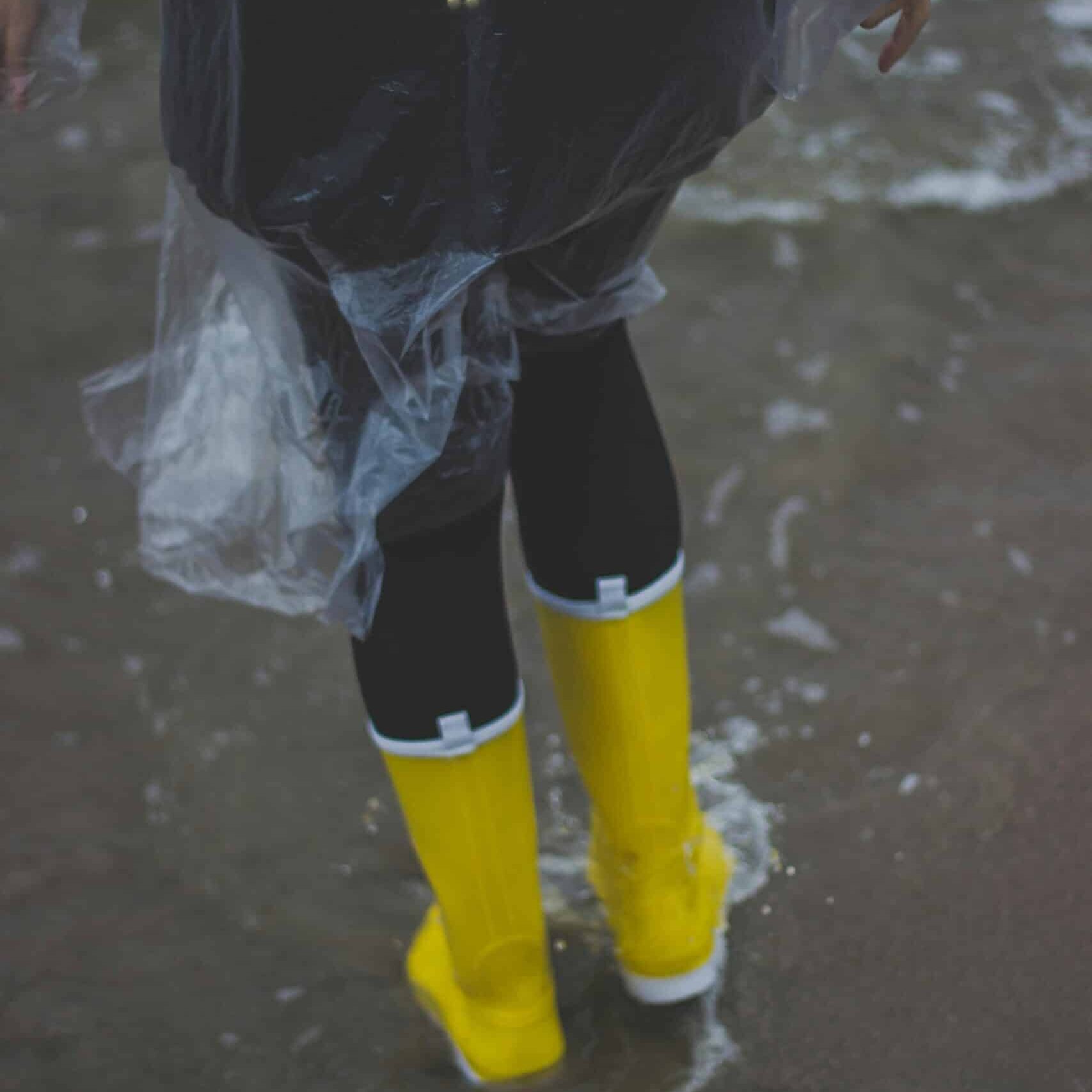
- Do not walk, swim, or drive through move water (even shallow moving water can knock you off your feet)
- Stay on higher ground or rooftop if forced, and call for rescue if needed
- Avoid contact with floodwater: it may contain sewage, chemicals, debris
- Heed official evacuation orders immediately
- Do not return until authorities say it’s safe

What can AUW 211 provide?
Aloha United Way 211 connects you to trusted, local resources during and after a flood:
- Shelter and evacuation site information
- Food, water, and emergency supply assistance
- Crisis counseling and mental health support
- Cleanup, repair, and disaster recovery programs
- Financial assistance referrals for families affected by flood damage
- Language support and accessibility services for non-English speakers and people with disabilities
Call 211 or search online for live help, 7 days a week.
How can I help my neighbor?
Floods are easier to recover from when we work together.
- Check on kupuna, neighbors with disabilities, or families with young children.
- Share accurate information from official channels — avoid spreading rumors.
- Offer food, water, or charging stations if you have power.
- Donate to Aloha United Way’s Disaster Relief Fund or local trusted charities.
- Volunteer with community cleanup or recovery efforts when it’s safe to do so.
Quick Resources
Need help right now? These official resources can connect you with emergency alerts, shelters, and support in your area.
Dial 911 for life-threatening emergencies.
Dial 211 for non-emergency help and local resources.